
Exploring the Machinery Behind Hard Candy Manufacturing
- Usman Akram

- Jul 19, 2025
- 4 min read
Hard candy has been a popular treat for generations. Its distinct texture and flavor play an essential role in many people's sweet experiences. However, few realize the complexity involved in its production. This post dives deep into the machinery behind hard candy manufacturing, revealing how the sweet is produced from start to finish while focusing on the equipment used.
Candy Production Equipment
When you think of candy, do you consider the intricate machines required to create it? From cooking to cooling, many types of equipment are involved in producing hard candy.
One of the first pieces of machinery that come into play is the candy cooker. This machine typically operates under high temperature and pressure, allowing sugar to dissolve and blend smoothly with other ingredients. The candy cooker is designed with precise temperature controls to ensure safe and consistent production.
Following this, a cooling table is an essential component in the hard candy manufacturing process. The hot mixture is poured onto this table to cool down. Airflow systems help to regulate the cooling process, allowing the candy to solidify properly without creating air pockets or other imperfections.

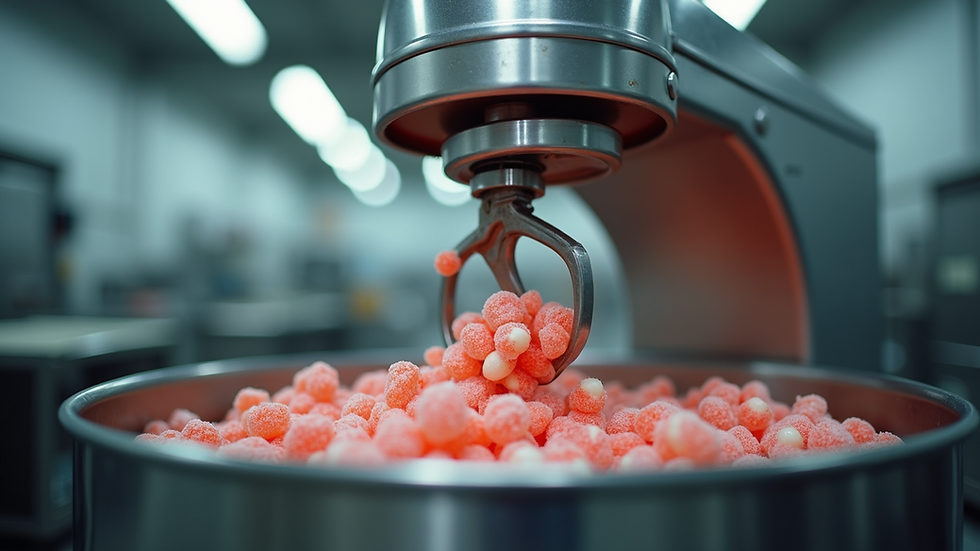
The next crucial stage involves the forming and shaping of the candy. Candy pullers and starch moguls play significant roles here. Candy pullers add air into the candy mixture, giving it the right texture while helping it cool faster. Starch moguls, on the other hand, are used to shape the candy into various forms, like sticks or disks, by molding the candy in starch trays.
Ingredients in Hard Candy Production
Understanding the ingredients is just as vital as understanding the machinery. Hard candy primarily consists of sugar, corn syrup, flavors, and colors. The sugar's role is essential; it not only provides sweetness but also forms the structure of the candy when cooked.
Corn syrup is added to reduce the chances of crystallization, ensuring that candy maintains its chewy texture. Natural or artificial flavors and colors give hard candy its distinctive tastes and visual appeal.
The versatility of these ingredients allows manufacturers to create a wide range of flavors and styles. For instance, peppermint, cherry, and lemon are traditional favorites, while more contemporary flavors may include exotic fruits or even spicy notes.
How is Hard Candy Manufactured?
The hard candy manufacturing process can be broadly divided into several steps. First, manufacturers begin by mixing the ingredients in a candy cooker, where heat is applied. The sugar and corn syrup mixture is heated until it reaches the desired temperature, typically in the range of 300 to 310 degrees Fahrenheit.
Once the candy mixture reaches the right temperature, it is quickly transferred to a cooling table. This stage is critical, as cooling too slowly could lead to quality issues. Once sufficiently cooled, the mixture is put through the candy puller, introducing air into the candy and improving its texture.
After pulling, the candy is shaped using starch moguls. Finally, the cooled candy is cut and packaged for sale. Throughout this process, quality control systems ensure that every batch meets precise standards for flavor, texture, and appearance.

Hard candy production often involves continuous processes and automation. This not only increases efficiency but also maintains product consistency, ensuring that consumers receive the same great taste every time.
Innovations in Candy Manufacturing Technology
Innovation has dramatically transformed the candy industry over the years. Recent advancements in candy production equipment include automated systems that use artificial intelligence for better quality control. These systems analyze the sugar mixture to ensure it meets specific viscosity levels before the cooking process.
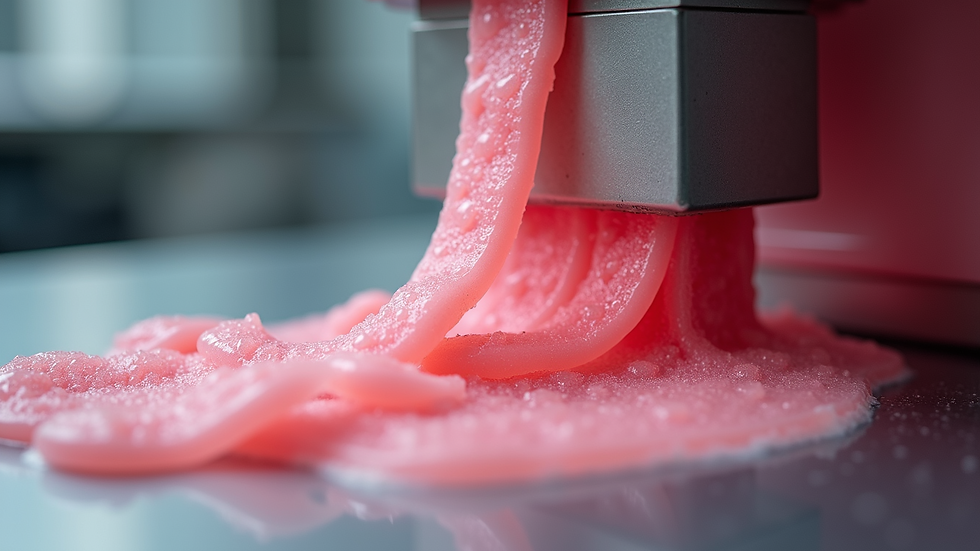
Moreover, technologies such as 3D printing are beginning to make waves in candy production. Manufacturers can create unique shapes and designs that were previously challenging to achieve. This is particularly appealing to the younger generation, who prefer visually striking products.
With these technological enhancements, manufacturers are able to produce higher quality candy at a faster pace. Sustainability is also becoming increasingly important, with efforts directed toward reducing energy consumption and waste in the manufacturing process.

The Future of Hard Candy Manufacturing
Looking forward, the hard candy manufacturing industry is poised to evolve even further. The increasing demand for sugar-free and organic alternatives ensures that manufacturers will continue to innovate. Developing new recipes and exploring alternative sweeteners will become more crucial as consumer preferences shift.
Automation and smart manufacturing practices will likely become the norm, with more companies adopting robotics for packaging and processing. The use of data analysis for predicting trends could also enhance product development, allowing manufacturers to meet market demands more effectively.
With exciting advancements on the horizon, it’s evident that the machinery and processes behind hard candy production will continue to innovate. Shorter production cycles, improved flavors, and the inclusion of health-conscious choices will shape the future of this delightful confectionery.
As we wrap up our exploration into the machinery behind hard candy manufacturing, it’s clear the combination of traditional techniques and modern technology plays a vital role in crafting the sweets we all enjoy. What new flavors or shapes would you like to see in the future?

Comments